Our tour packages
Historical (Lalibela, Axum, Harar), nature and mountains (Simien, Bale, Lake Tana), and adventure (Danakil, Erta Ale, Gheralta). We can customize days, accommodation, and combine regions across Ethiopia.
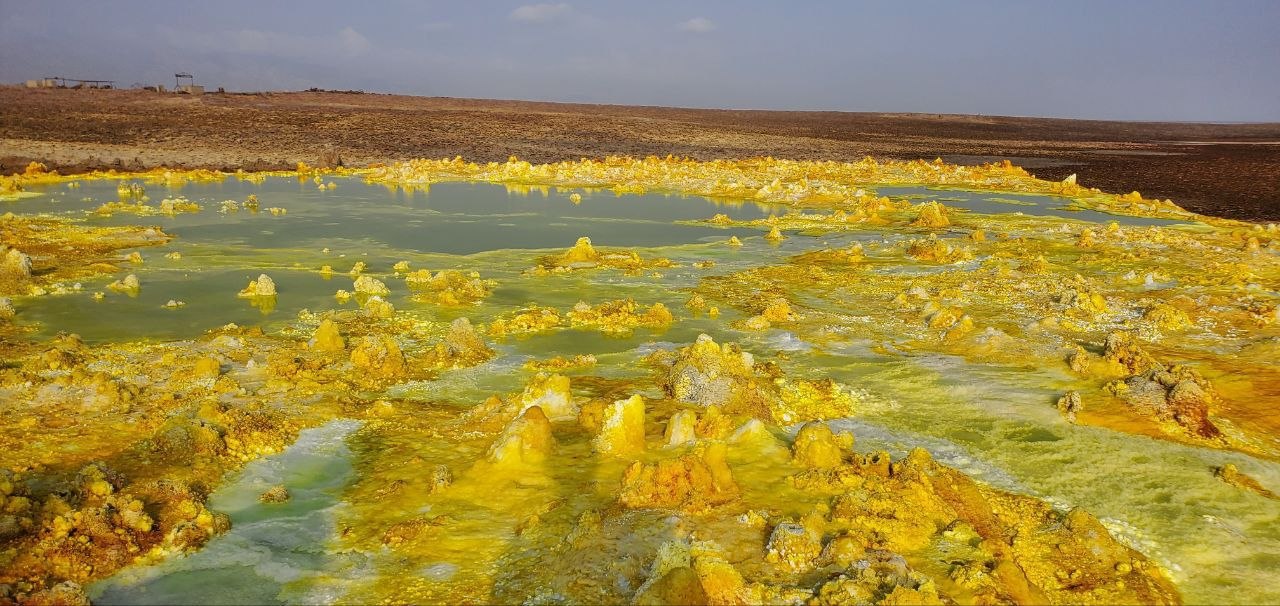
Danakil Highlights (Dallol + Salt Flats)
The Danakil Highlights (Dallol + Salt Flats) are located in the Afar Region, within the famous Danakil Depression. This unique destination features the colorful hydrothermal landscapes of Dallol and the vast white salt flats, creating one of the most surreal and extreme environments on Earth.
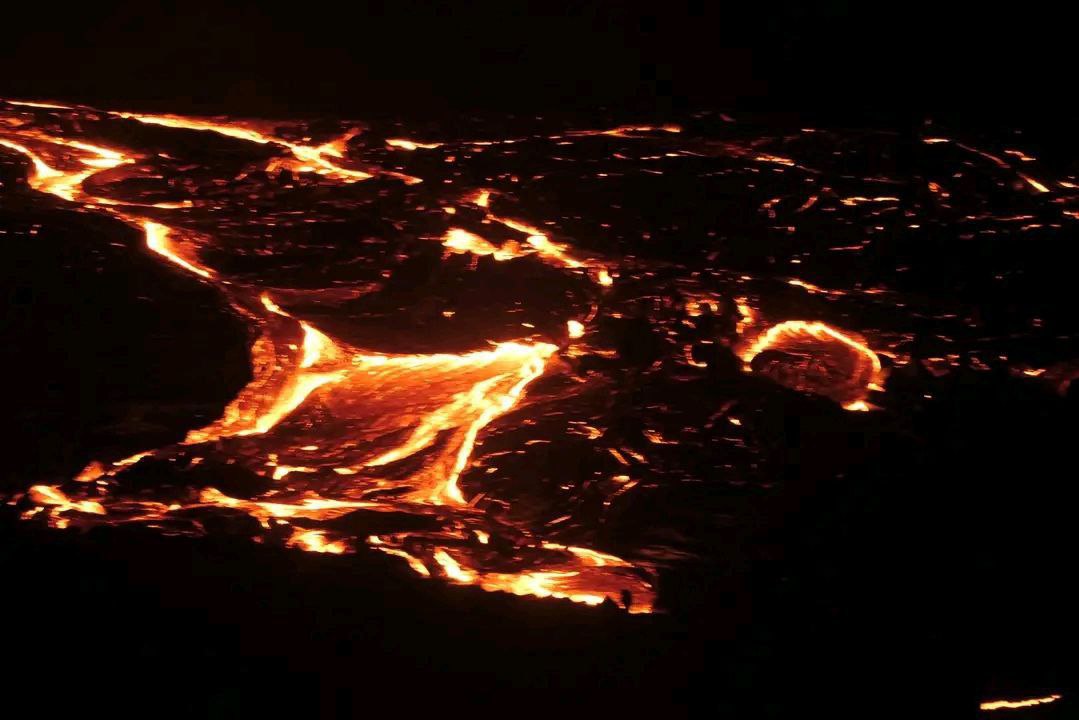
Erta Ale Lava Lake Expedition
Desert trekking to one of the world’s rare lava lakes (conditions permitting).
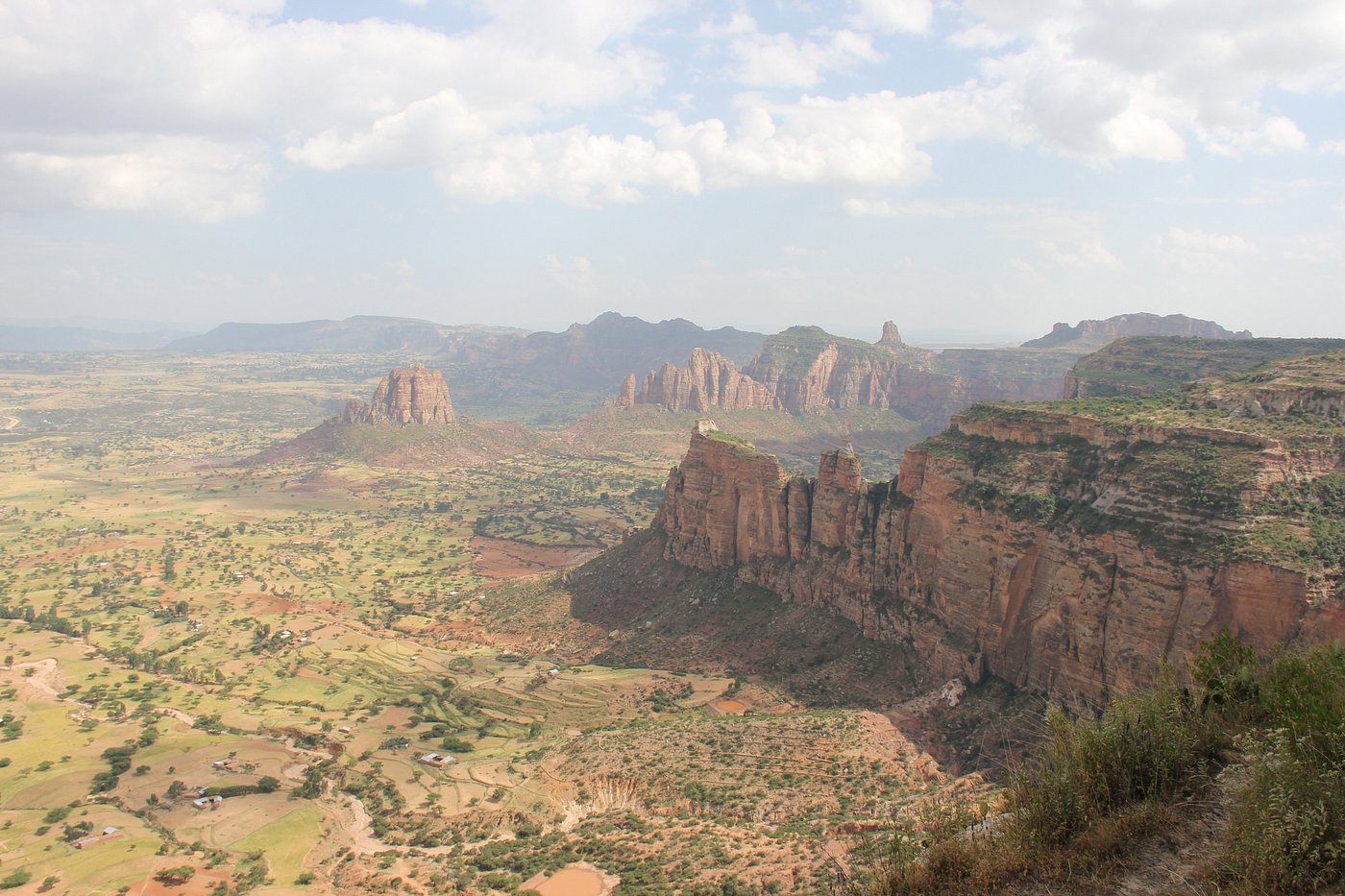
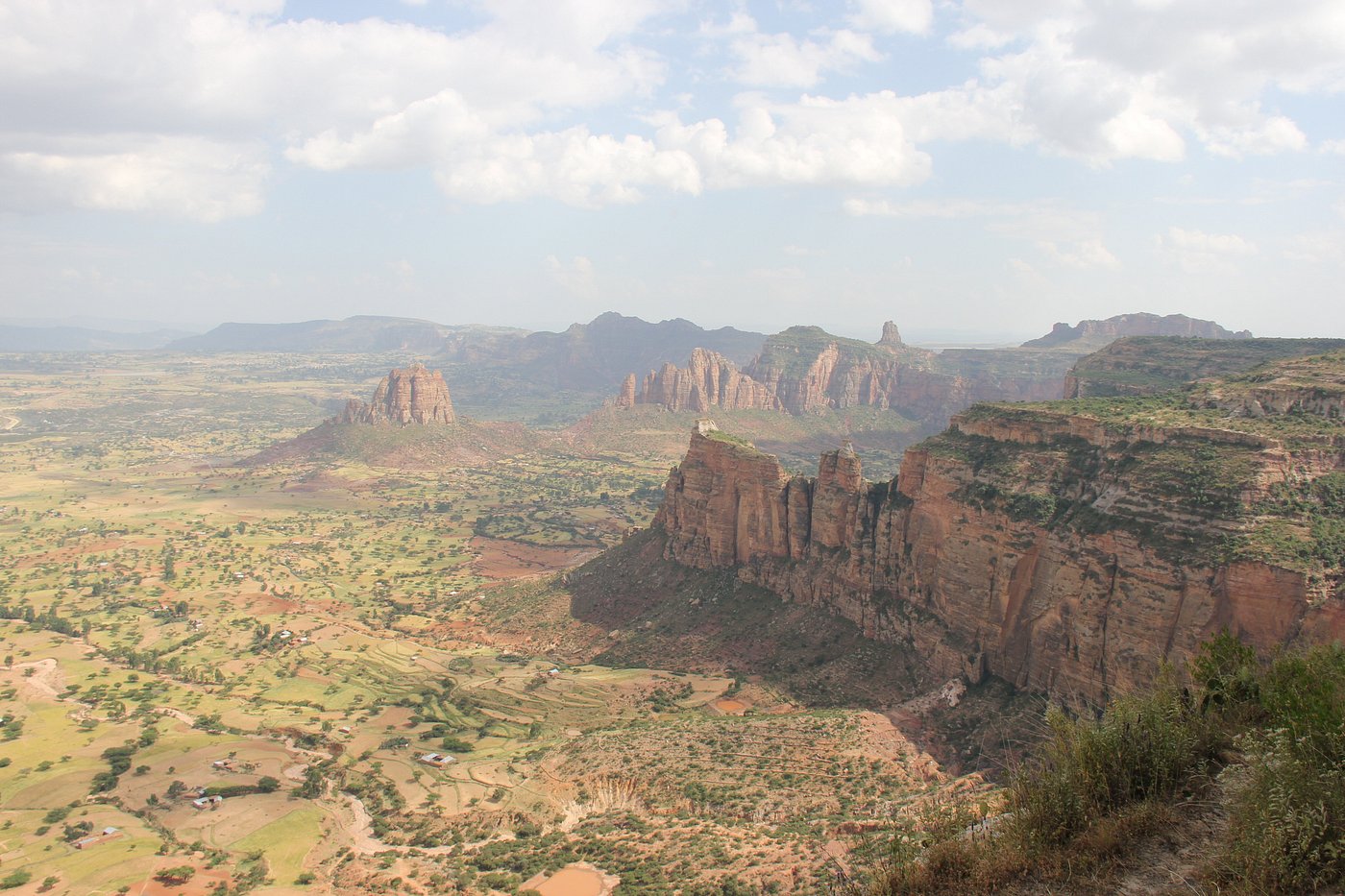
Gheralta Churches & Mountains
Rock-hewn churches, viewpoints, and cultural experiences in Gheralta.
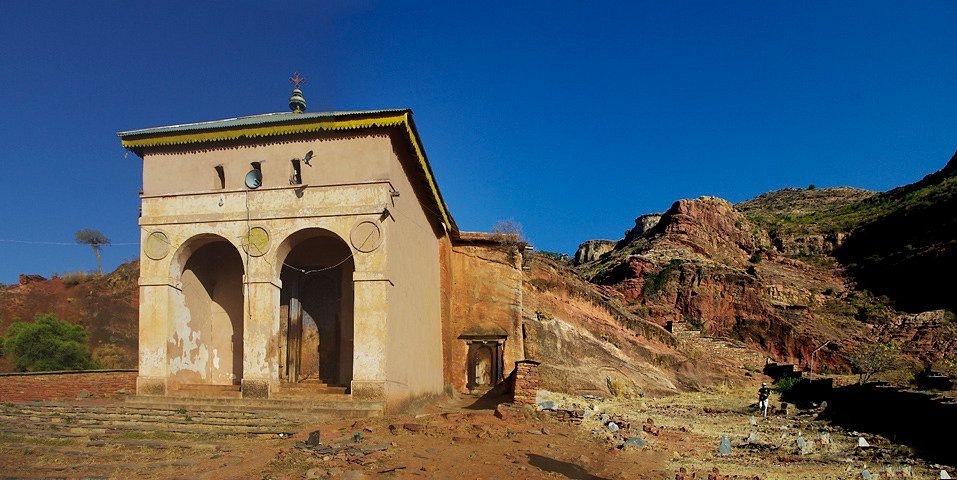
Abraha We Atsbeha
Cut from a single mountain rock between 335 and 340 AD by the two famous twin-brothers kings Ezana and Sayzana, later on, named Abraha and Atsbeha, this is one of the several hundreds of important rock churches in Tigrai.
Abune Yemata
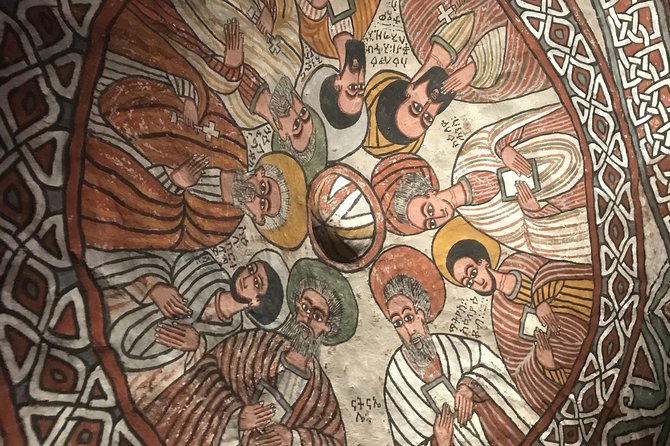
Abune Yemata Guh is a 5th-century Ethiopian Orthodox rock-hewn church perched 2,580 meters (8,460 ft) high on a sheer cliff in the Gheralta Mountains of Tigray, Ethiopia. Known as the "church in the sky," it is famous for its perilous, barefoot ascent, stunning frescoes, and its role as a 5th-century foundation by one of the Nine Saints.
Ashenda
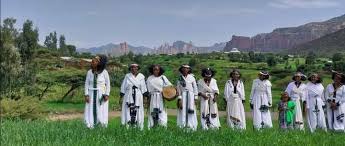
Ashenda: Celebrating Sisterhood, Culture, and FreedomWelcome to the vibrant world of Ashenda, an ancient, multi-day cultural festival from northern Ethiopia (primarily the Tigray region) and parts of Eritrea. Celebrated every August, this unique holiday is a joyful, public tribute to womanhood, cultural expression, and the spirit of sisterhood.✨ The Essence of the FestivalNamed after the tall, green grass (ashenda) that girls weave into decorative skirts, the festival marks the end of Filseta—the two-week Orthodox Christian fast honoring the Virgin Mary. Dating back centuries, Ashenda is a time when young women step into the spotlight, completely freed from daily household chores to reclaim public spaces with music, dance, and laughter.🥁 Costumes, Music, and JoyDuring Ashenda, towns and villages come alive with the sound of hand drums (kebero) and rhythmic chanting. Groups of girls travel from house to house, singing traditional songs and receiving gifts of appreciation from neighbors. They prepare for weeks, showcasing:Intricate Braids: Stunning, traditional hairstyles (tilfi) that symbolize identity.Embroidered Dresses: Radiant, hand-woven white cotton garments.The Ashenda Grass: Fresh green skirts worn over dresses, symbolizing life and renewal.🌍 A Global LegacyWhile the most massive celebrations take place in historic hubs like Mekelle, Ashenda is now celebrated globally by the diaspora. It has evolved into a powerful symbol of resilience, female empowerment, and cultural pride that continues to inspire generations worldwide.To make this a perfect fit for your website, let me know:What is your website's target audience? (e.g., tourists, cultural researchers, diaspora community)Do you need a specific length? (e.g., a short hero paragraph or a full blog post)Should I include a section for upcoming festival dates and event schedules?
Lalibela Rock-Hewn Church
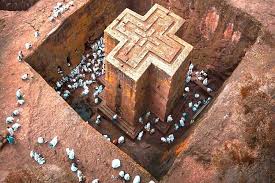
The Rock-Hewn Churches of Lalibela are among the most extraordinary religious and architectural monuments in the world. Located in the town of Lalibela, they consist of 11 medieval churches carved directly into solid volcanic rock during the late 12th and early 13th centuries under the reign of King Gebre Meskel Lalibela. The site was inscribed as a UNESCO World Heritage Site in 1978. Historical Background After the decline of the ancient Aksumite Empire, the Zagwe Dynasty established its capital at Roha, later renamed Lalibela after King Lalibela. According to Ethiopian tradition, the king wanted to create a "New Jerusalem" in Ethiopia because pilgrimages to the Holy Land had become difficult due to conflicts in the Middle East. The churches were carved from living rock rather than built stone by stone. Workers cut deep trenches around blocks of rock and then hollowed out the interiors, creating complete churches from a single mass of stone. The 11 Churches The churches are divided into two main groups connected by tunnels, trenches, and ceremonial pathways. Northern Group Biete Medhani Alem (House of the Savior of the World) Believed to be the largest monolithic church in the world. Biete Maryam (House of Mary) One of the oldest and most richly decorated churches. Biete Meskel (House of the Cross) Biete Denagel (House of the Virgins) Biete Golgotha Mikael Contains important religious relics and sacred traditions. Southern Group Biete Amanuel Considered one of the finest examples of Lalibela architecture. Biete Qeddus Mercoreus Biete Abba Libanos Biete Gabriel Raphael Biete Lehem (House of Holy Bread) Separate Church Biete Giyorgis (St. George's Church) The most famous church in Lalibela. Carved in the shape of a giant Greek cross. Often regarded as the masterpiece of the complex. Architecture and Engineering 7 What makes Lalibela unique is that the churches were: Carved top-down into bedrock. Created from a single block of stone (monolithic construction). Connected by underground passages and trenches. Equipped with drainage systems to protect against water damage. Decorated with carved windows, columns, arches, and religious artwork. Many visitors are surprised because the churches are largely below ground level, making them almost invisible until you stand at their edges. Religious Importance Lalibela is one of the holiest sites of the Ethiopian Orthodox Tewahedo Church and remains an active place of worship today. Thousands of pilgrims dressed in white traditional garments visit throughout the year, especially during the major Ethiopian Orthodox holidays. The churches have been a pilgrimage destination for more than 800 years and continue to play a central role in Ethiopian Christianity. UNESCO Recognition The site was among the first African locations placed on the UNESCO World Heritage List in 1978 because of its: Outstanding artistic achievement. Symbolic representation of Jerusalem. Exceptional testimony to medieval Ethiopian civilization. Challenges and Preservation The churches face several threats: Weathering and erosion. Water damage. Structural instability in some sections. Tourism pressure and nearby development. UNESCO and international conservation teams have installed protective shelters over some churches and continue restoration efforts. Interesting Facts Construction is traditionally said to have taken about 24 years. Some legends claim angels helped build the churches at night. The complex covers a large area interconnected by tunnels and trenches. Biete Medhani Alem is believed to be the largest monolithic church in the world. Biete Giyorgis is one of the most photographed landmarks in Africa. Lalibela is often considered one of Ethiopia's greatest historical achievements and is frequently compared to places such as Petra and Machu Picchu because of its remarkable rock-cut architecture and cultural significance.
Maryam Korkor
The church is carved at the foot of a white sandstone cliff to the north of the old rock-hewn church of Maryam Korkor, from where it is visible and an easy 10 minute walk. Both churches require a steep 45 minute walk from the valley below, south of Megab.