Ethiopia — Historical, Nature & Mountains
From Afar (Danakil, Erta Ale) and Axum to Simien Mountains, Lalibela, Bahir Dar, Gheralta, Bale, and Harar — we cover historical sites, nature, and mountain trekking across Ethiopia. Tell us your interests and dates and we will design the right itinerary.
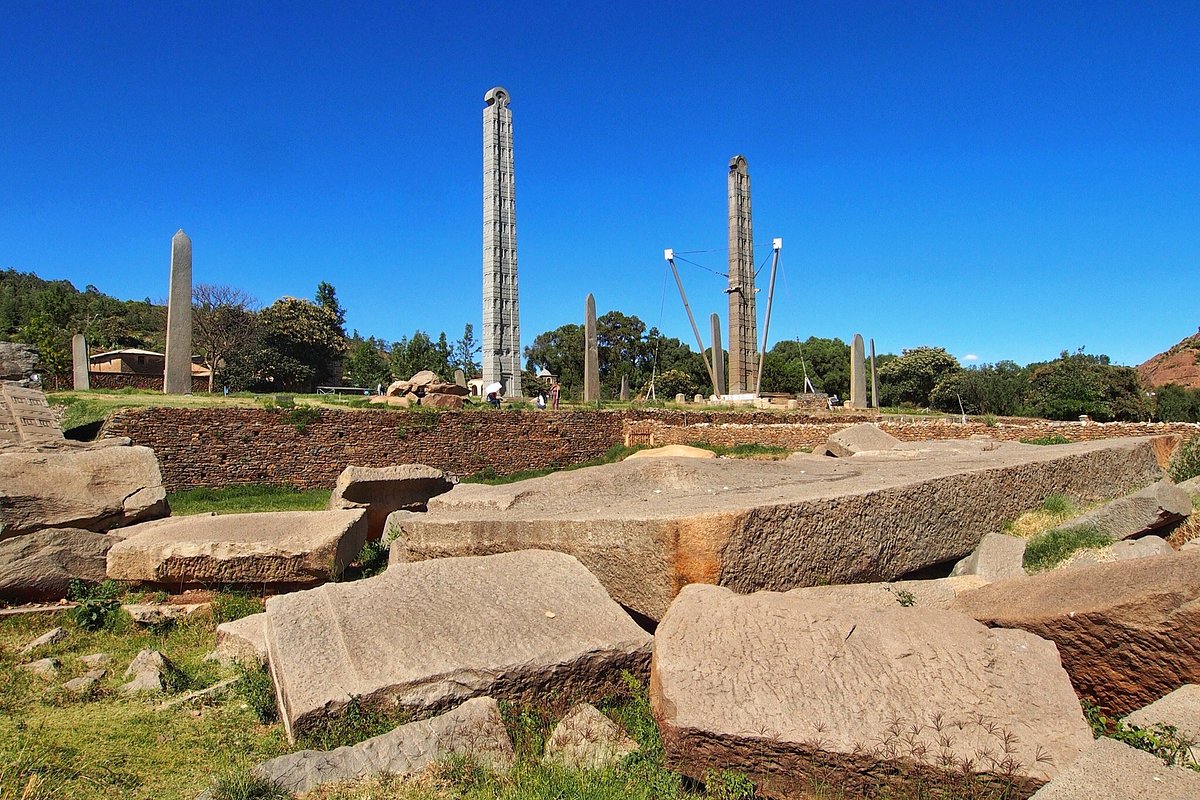
Axum
A city of profound historical and religious significance in northern Ethiopia. It was once the heart of the Aksumite Empire, a major power in the ancient world .
Best Time to Visit October to March for dry, cool weather. January is excellent for the Timkat festival . 🗺️ Top Attractions Northern Stelae Field: Home to ancient, towering obelisks . Church of St. Mary of Zion: Said to house the Ark of the Covenant . Archaeological Sites: Tombs of Kings Kaleb and Gebre Meskel, and the ruins of Dungur Palace .
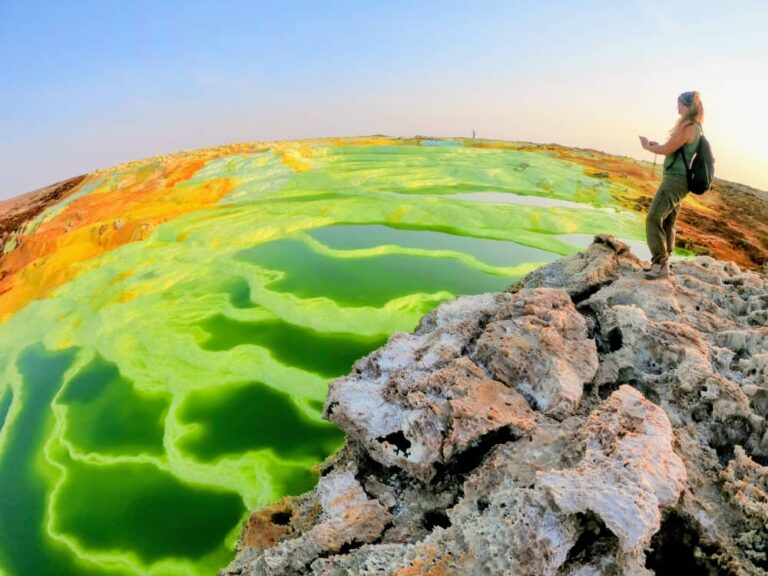
Danakil Depression (Dallol)
Explore another worldly place on the planet, Mesmerizing nature, and Active Volcano.
Ethiopia Volcano tour with Gehralta Danakil Depression and Volcano tour 5 days Day 1 Mekele- Danakil Depression- Volcano In the Early Fly to Mekele or Picked up from your hotel. You will join a group who will take a trip to the Danakil depression. We drive from Mekelle to – Dodom the beginning to discover danakil depression. From Dodom Bae camp trek for 3 hrs. to Ertale Volcano. Erta Ale Volcano is the world’s only permanent lava lake. Night View of the Volcano amazing Eruption and lava flow O/n camping on the mountain Day 2 ErtaAle-HamadEla waking up early ErtaAle -Dodom Leave back to Dodom and drive to HamadEla 100km, You will see lots of camel caravans and you will have a beutiful sunset on Lake Assale. Overnight camping at HamadEla. Day 3 Hamadela- Dallol- Mekelle Morning tour Drive to Ragad (Asebo), tradtionalsal mining and drive to Dallol to visit the difference landscape formed by volcanic activity. A very beautiful landscape that looks in mars or moon. Drive to Mekele airport and fly back to Addis Ababa O/N Addis Ababa Hotel Day 4 Mekele – Drive to Gehralta Drive from Axum to Gehralta , Even though Rock Hewn churches of Lalibela are the finest , the rock hewn churches of North Tigray are equally beautiful. Visit the stunning Abune Yemata Ghu Rockhewen churches by climbing 8 meter long cliff. Day 5 Gehrtalta Mekle Enjoy The stuning view of the Gehralta mountain in the morning before Trekking to St. Maryam Korkur rock Hewn from 6th c. Afterwards we will drive to Mekele Airport. Fly to Addis Ababa. Fly Back to Addis Ababa. End of Tour
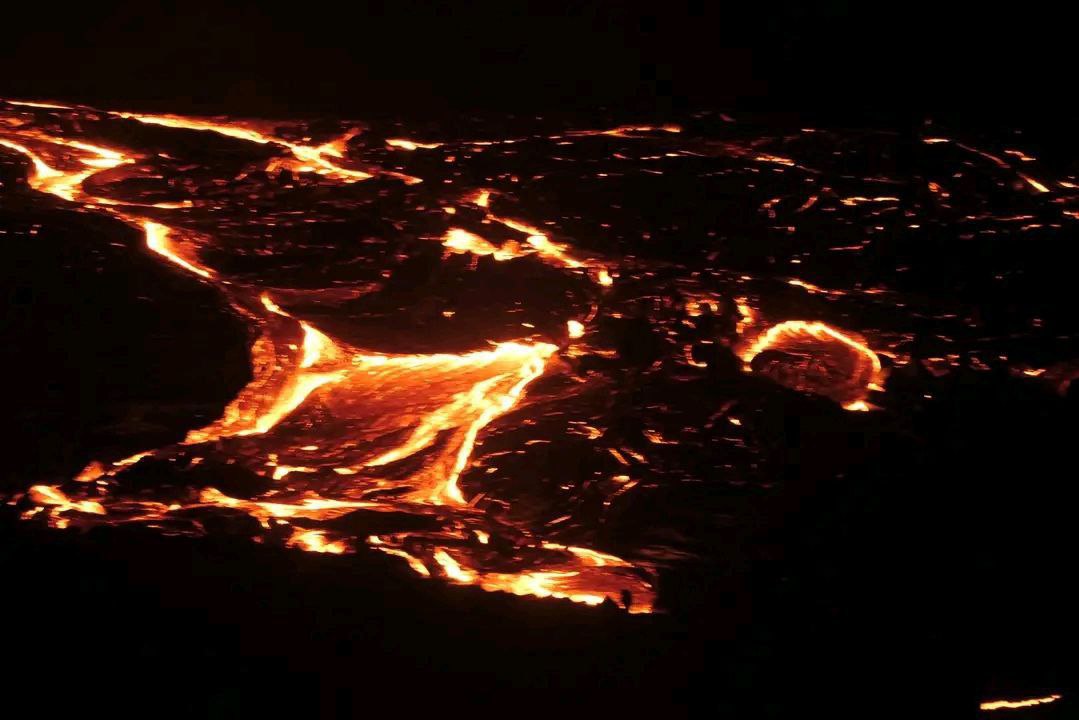
Erta Ale Volcano
The Erta Ale is one of the most active volcanoes in the world, located in the remote Danakil Depression in northeastern Ethiopia. It is famous for its rare permanent lava lake, making it a unique and dramatic destination for adventure travelers and volcanologists.
The Erta Ale is an active shield volcano located in the harsh and extraordinary landscape of the Danakil Depression in northeastern Ethiopia. Rising about 613 meters above sea level, Erta Ale is part of the Afar Triangle, one of the most geologically active regions on Earth where three tectonic plates meet. Erta Ale is particularly famous for its persistent lava lake, which is one of only a few permanent lava lakes in the world. The glowing molten lava, bubbling and flowing within the crater, creates a spectacular natural phenomenon that attracts scientists, photographers, and adventurous tourists from around the globe. The surrounding Danakil Depression is known as one of the hottest places on Earth, with daytime temperatures often exceeding 45°C (113°F). The region features extraordinary geological formations, including colorful sulfur springs, salt flats, and active volcanic landscapes. Visiting Erta Ale is considered a true adventure. Travelers usually trek across the desert with local Afar guides, often hiking at night to reach the volcano’s summit and witness the glowing lava lake under the dark sky. Despite its harsh environment, the experience offers one of the most unforgettable natural spectacles in Africa. Today, Erta Ale remains a symbol of Ethiopia’s incredible geological diversity and a highlight of expeditions to the Danakil Depression.
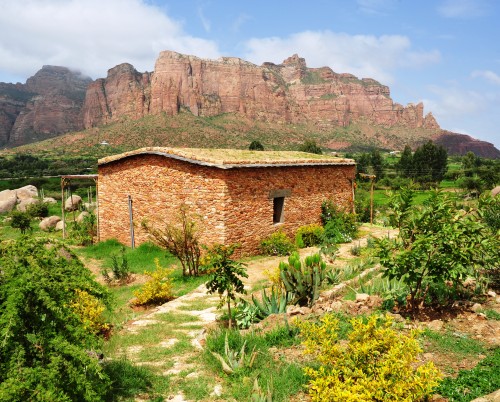
Gheralta Mountains
The Gheralta Mountains are a stunning range of sandstone mountains located in the Tigray region of northern Ethiopia. They are famous for their dramatic cliffs, ancient rock-hewn churches, and breathtaking landscapes. The area is a popular destination for hiking, cultural exploration, and adventure tourism.
The Gheralta Mountains are one of the most spectacular natural and historical destinations in northern Ethiopia. Known for their towering sandstone formations and rugged terrain, these mountains create a unique and dramatic landscape that attracts travelers, hikers, photographers, and pilgrims from around the world. One of the most remarkable features of the Gheralta Mountains is their ancient rock-hewn churches, many of which date back more than 1,000 years. These churches were carved directly into the cliffs and mountain walls, reflecting the deep Christian heritage of the region and the long history of the Ethiopian Orthodox Tewahedo Church. Some of the most famous churches include Abuna Yemata Guh, which is built high on a cliff and requires a challenging climb to reach. The region is also known for its incredible viewpoints, dramatic valleys, and peaceful rural villages that preserve traditional Ethiopian culture and lifestyle. Visitors often come to experience trekking, rock climbing, cultural tours, and breathtaking sunsets over the mountains. Today, the Gheralta Mountains are considered one of Ethiopia’s most unique travel destinations, offering a rare combination of natural beauty, ancient history, spiritual heritage, and adventure tourism.
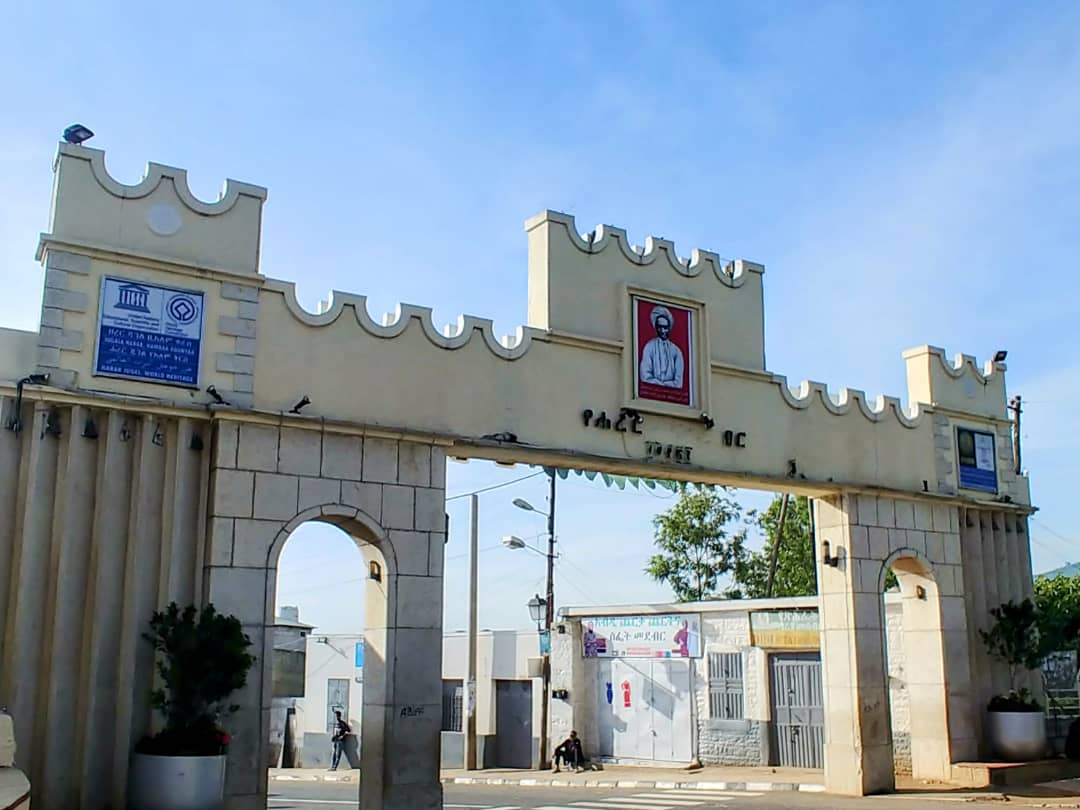
Harar City Tour
A guided tour of Harar. Explore its Culture, and History with a visit to the Hyena Man.
This tour of Harar is a great way to discover the walled city of Harar. It provides an enriched local insight into the history and cultural experience. You will be waked with a local guide while the history of the city and culture is explained to you. Harar is an ancient trade center famed in Ethiopia, for its welcoming culture towards new people. Thousands of people live just within 1 KM square. To defend the city and its people from constant aggression from the neighboring tribes and kings. Emir Nur built a protection wall called Jegol in the 1560s. The old city is now still circled by this wall a new one extended outside of the wall. It has 5 gates to enter into the old city. It has narrow streets with colorful houses, lots of mosques, and shrines.
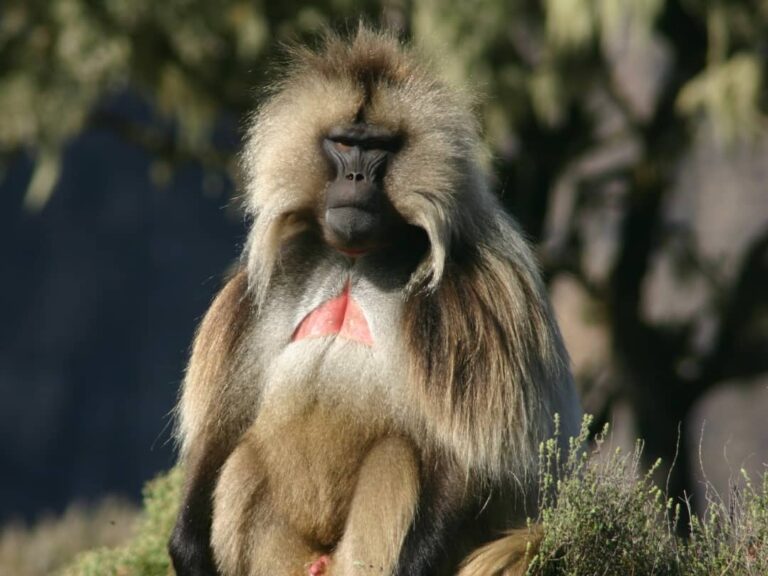
Siemien Mountain trekking
trekking tour to the Simien Mountains National Park, a UNESCO World Heritage Site with rare wildlife with the walled city of harara.
Simien Mountain trekking Ethiopia Simien Mountain trekking 4 days 3 nights Day 1: Drive from Gonder to Simien Mountains National Park In the morning after breakfast Drive from Gondar to the Siemen National Park a Unesco recorded world natural heritage site. On the way we will make a stop At Debark (2800 M) to collect The guide , cook , Scouts and permission after paying the necessary fees to the park office . Here We will collect All the necessary Items for the next days of our Trekking. Then We will continue our drive in to the Park.The simein mountain is found above 3000 M sea level and in many cases trekker’s need to be Acclimatized to the high altitude of the area on the first day. On this day you will do a small trekking of 2 hrs to Sankaber Campsite (3200 M). It has a stunning view over the valley, mountain range, and see the endemic gelada baboon troops. Arrive in Sankaber. Driving time 2:30 Hrs Difficulty: moderate Trekking time: 2 -3 hours. Total Altitude ascent and descent Difference of the trek ↑400m, ↓250m Overnight: Sankaber campsite Day 2: Trek Sankaber – Geech In the morning after breakfast you will starts the trek with a gentle stroll through the Erica heather that hangs on white lichen and mosses, it resembles with a white beard of an old man. From Sankaber (3200 M) you will Trek to Gich (3600m) After 2-3 hours of trek you will reach the seasonal Jinbar water fall or Nigus Aysmush View point, although it is little or no water in the dry season it is a very Impressive 500 Meter deep fall. Usually the rare and graceful lammergeyer will be spotted, while soaring in search of food. We take a break at the river and have a picnic lunch before we start passing through a wounderful views of simen mountains range and ascend gradually on an undulating trail for 2-3 hours to reach the village of Geech where we will camp for overnight. Trekking time 5 to 6 hours. Difficulty: medium Total Altitude ascent and descent Difference of the trek (↑1.000m, ↓800m) Overnight: Geech campsite Day 3: Trek from Geech to Chennek Early morning After Break Fast leave Gich camp sit to chenek. The trek will take from 7- 8 hrs. passing through One of the most scenic and spectacular trails in the National park. This route takes you to Imet Gogo View Point (3,926 m ) where you will be rewarded with 360 degree spectacular Views in to the lowlands , valleys, canyon, and the mountains range. From Imet Gogo you will trek Chenek viewing the canyon, ridges and valleys and stop at the next view point at Innateye (4,070 m) before continue trekking to chenek (3,600m). Chennek, is the best place to see the Indemic Walia Ibex and the rare Ethiopian Wolf. Difficulty: medium Total Altitude ascent and descent Difference of the trek (↑900m, ↓900m) Trekking time 4-5 h, 12 km Day 4: Trek Chenneck – Buahwit Ras(4430 m) – Gondar In the early morning, we start trekking from Chennek to Buhait Ras, where we may encounter the endemic Walia Ibexes again, the trekking has a climbing of about 600m and a steep walk to reach Buahit Ras (about (4,200m). It allows you to have a great view of the Ras Dashen mountain (4543m), the highest peak in Ethiopia. Trek back to Chenek where our car will wait for pick up. Drive back to Gondar passing through the national park’s scenic landscape. Trekking time 4-5 hours 10 Km Difficulty: medium/difficult, Total Altitude ascent and descent Difference of the trek: ↑945m, ↓1.400m Overnight: Gondar End of Tour
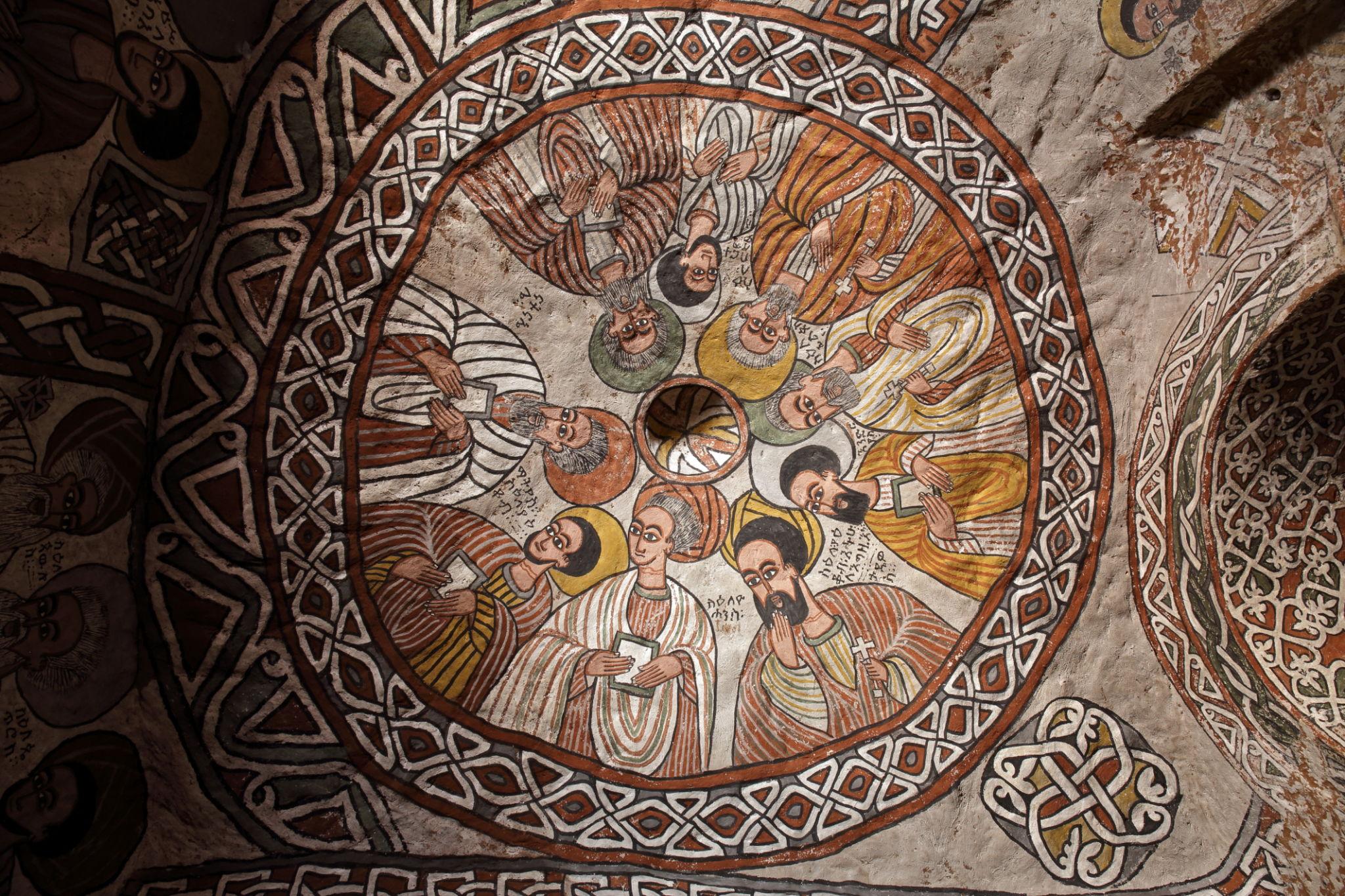
Abuna Yemata Guh
Famous rock-hewn church reached by a thrilling cliff hike.
Abuna Yemata Guh is one of Ethiopia's most spectacular and difficult-to-reach churches. It is located in the Gheralta Mountains of the Tigray Region and is often called one of the world's most inaccessible places of worship. The church is carved directly into a sandstone cliff about 2,580 meters above sea level, roughly 200 meters above the surrounding terrain. Why Is It Famous? Unlike most churches, reaching Abuna Yemata requires: Hiking through rugged mountains. Climbing steep rock faces using handholds carved into the rock. Crossing narrow ledges with dramatic drops. Completing parts of the climb barefoot according to local tradition. The climb is challenging, but the reward is breathtaking views and one of Ethiopia's finest collections of ancient church paintings. History According to Ethiopian Orthodox tradition, the church was founded by Abba Yem'ata, one of the famous Nine Saints who helped spread Christianity in Ethiopia during the late 5th and early 6th centuries. The church is believed to date from the 5th or 6th century. The remote location may have been chosen for: Protection from enemies. Solitude for prayer and meditation. Spiritual devotion and isolation. Interior Artwork 4 The church is renowned for its colorful frescoes and religious artwork. Inside you can find: Images of the Twelve Apostles. Paintings of the Nine Saints. Ancient Ge'ez inscriptions. Religious icons and biblical scenes. Because the church is located in a dry and protected environment, many of the paintings remain remarkably well preserved after hundreds of years. Architecture Abuna Yemata Guh is a rock-hewn church, meaning it was carved directly into the living rock rather than constructed with separate building materials. Notable features include: Monolithic rock architecture. Arched ceilings. Carved columns. Cave-like sanctuary chambers. Natural integration into the mountain landscape. Religious Significance The church remains active under the Ethiopian Orthodox Tewahedo Church and is still used for worship, pilgrimages, baptisms, and religious ceremonies. Local priests continue to preserve centuries-old traditions. Interesting Facts Many visitors consider it more difficult to reach than the rock-hewn churches of Lalibela. The church is part of a region containing more than 30 rock-hewn churches. Some sections of the route involve walking beside sheer cliffs hundreds of meters high. The views from the church overlook the dramatic sandstone landscapes of Gheralta and are among the most impressive in Ethiopia. For many Ethiopians and international visitors, Abuna Yemata Guh is not only a historic monument but also a symbol of faith, perseverance, and the remarkable achievements of early Ethiopian Christianity.
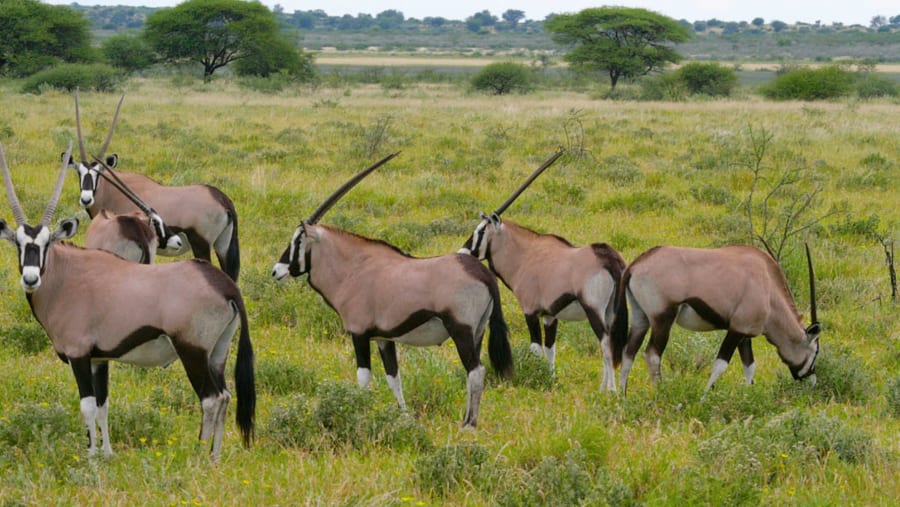
Awash National Park
Awash National Park is one of Ethiopia's oldest, most accessible, and most famous national parks. It lies about 225 km east of Addis Ababa, on the border of the Oromia and Afar regions. Established in 1966, it covers approximately 850 km² of savanna, acacia woodland, riverine forest, volcanic landscapes, and hot springs. Location and Geography The park is situated within the eastern part of the Great Rift Valley and is traversed by the historic Addis Ababa–Dire Dawa highway. Its landscape includes: The Awash River and its spectacular waterfalls. Acacia woodlands and open grasslands. Volcanic plains and lava fields. The dormant Mount Fantale volcano, rising to about 2,007 meters. The famous Filwoha Hot Springs, surrounded by palm groves. Wildlife 4 Awash National Park is home to more than 80 species of mammals and hundreds of bird species. Visitors commonly see: Mammals Beisa Oryx Soemmerring's Gazelle Salt's Dik-Dik Lesser Kudu Greater Kudu Warthog Olive Baboon Hamadryas Baboon Grivet Monkey Defassa Waterbuck Predators such as lions, leopards, hyenas, servals, and cheetahs are present but less frequently observed. Birds The park is a paradise for birdwatchers, with more than 350–450 bird species recorded, including: Ostriches Hornbills Eagles Vultures Kingfishers Water birds along the Awash River. Awash Falls One of the park's highlights is the Awash Falls, where the river plunges into a dramatic gorge. During the rainy season, the falls become especially impressive, creating mist and rainbows similar to Ethiopia's famous Blue Nile Falls. Mount Fantale Mount Fantale is a dormant volcano overlooking the park. Its massive caldera and volcanic formations make it one of Ethiopia's most interesting geological sites. The park lies near the junction of the African, Arabian, and Somali tectonic plates, making the region geologically significant. Human History The Awash Valley is internationally important for archaeology and human evolution. The broader Awash region has yielded some of the world's most significant early human fossils, including discoveries related to ancient hominins. The park was established during the reign of Haile Selassie as part of Ethiopia's early conservation efforts. Best Time to Visit The most popular time to visit is October to February, when: Temperatures are more comfortable. Roads are easier to travel. Wildlife gathers near water sources. Birdwatching is excellent. Why Visit Awash National
Bale Mountains
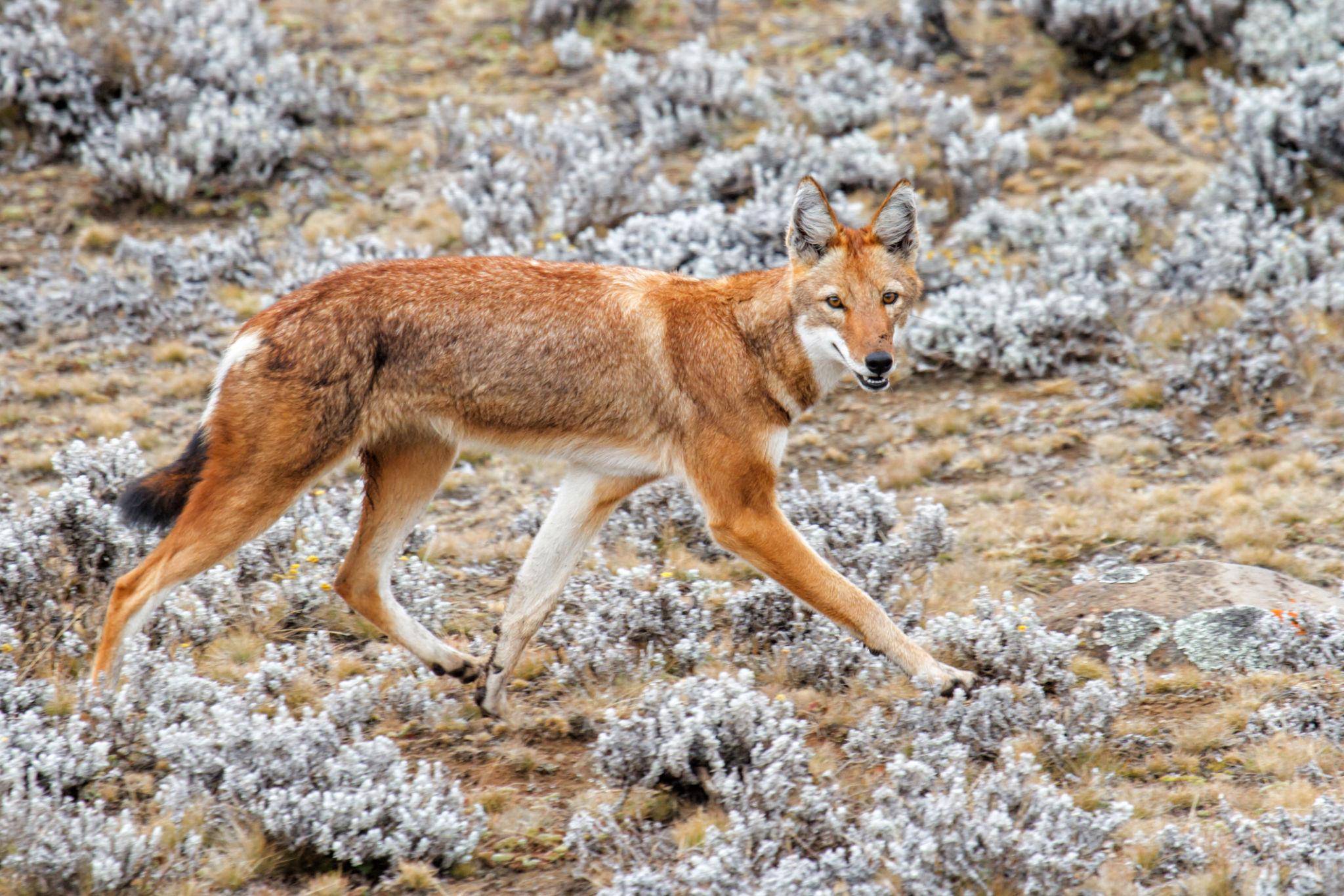
Bale Mountains National Park is one of Africa's most remarkable mountain ecosystems and one of Ethiopia's greatest natural treasures. Located in the Oromia Region, about 400 km southeast of Addis Ababa, the park covers approximately 2,150 km² and contains some of the highest mountains in Ethiopia. The park was established in 1970 to protect its unique wildlife and ecosystems. Geography The Bale Mountains contain a variety of landscapes: High alpine plateaus Volcanic peaks Moorlands Grasslands Rivers and wetlands Dense mountain forests The highest peak is Tullu Dimtu, which rises to 4,377 meters (14,360 feet) above sea level, making it the second-highest mountain in Ethiopia. Sanetti Plateau 7 The Sanetti Plateau is one of the largest high-altitude plateaus in Africa. At elevations above 4,000 meters, visitors can experience: Unique Afro-alpine vegetation Stunning mountain views Rare wildlife Cold temperatures and occasional frost This plateau is one of the best places in the world to see the Ethiopian wolf. Ethiopian Wolf 7 The park is the most important refuge for the endangered Ethiopian Wolf. Key facts: The world's rarest wild canid. Found only in Ethiopia. Fewer than a thousand remain in the wild. Bale Mountains contains the largest surviving population. The wolves primarily hunt giant mole-rats and other rodents found on the plateau. Other Wildlife Bale Mountains is home to many endemic species, including: Mountain Nyala Menelik's Bushbuck Ethiopian Wolf Giant Mole-Rat Olive Baboon Leopard Spotted Hyena The park also hosts more than 280 bird species, making it a major destination for birdwatchers. Harenna Forest 5 The southern slopes contain the famous Harenna Forest, one of Ethiopia's largest cloud forests. The forest features: Giant trees covered in moss Bamboo groves Numerous streams and waterfalls Rich biodiversity The contrast between the cold Sanetti Plateau and the lush Harenna Forest is one of the park's most remarkable features. Water Resources The Bale Mountains are often called Ethiopia's Water Tower because rivers originating here provide water for millions of people in Ethiopia, Somalia, and Kenya. Several major rivers begin in the mountains and support agriculture and wildlife across the region. Best Time to Visit The most popular months are: October to February March to May These periods usually offer: Clear skies Better wildlife viewing Easier hiking conditions Why Bale Mountains Is Special Bale Mountains National Park is considered one of Africa's most important biodiversity hotspots because of: Exceptional numbers of endemic species. The world's largest population of Ethiopian wolves. Spectacular Afro-alpine landscapes. Vast forests and mountain ecosystems. Important water resources for East Africa. Along with Simien Mountains National Park, the Bale Mountains represent the finest mountain wilderness in Ethiopia and are among the continent's premier destinations for nature, wildlife, trekking, and conservation.
Gondar – The Camelot of Africa
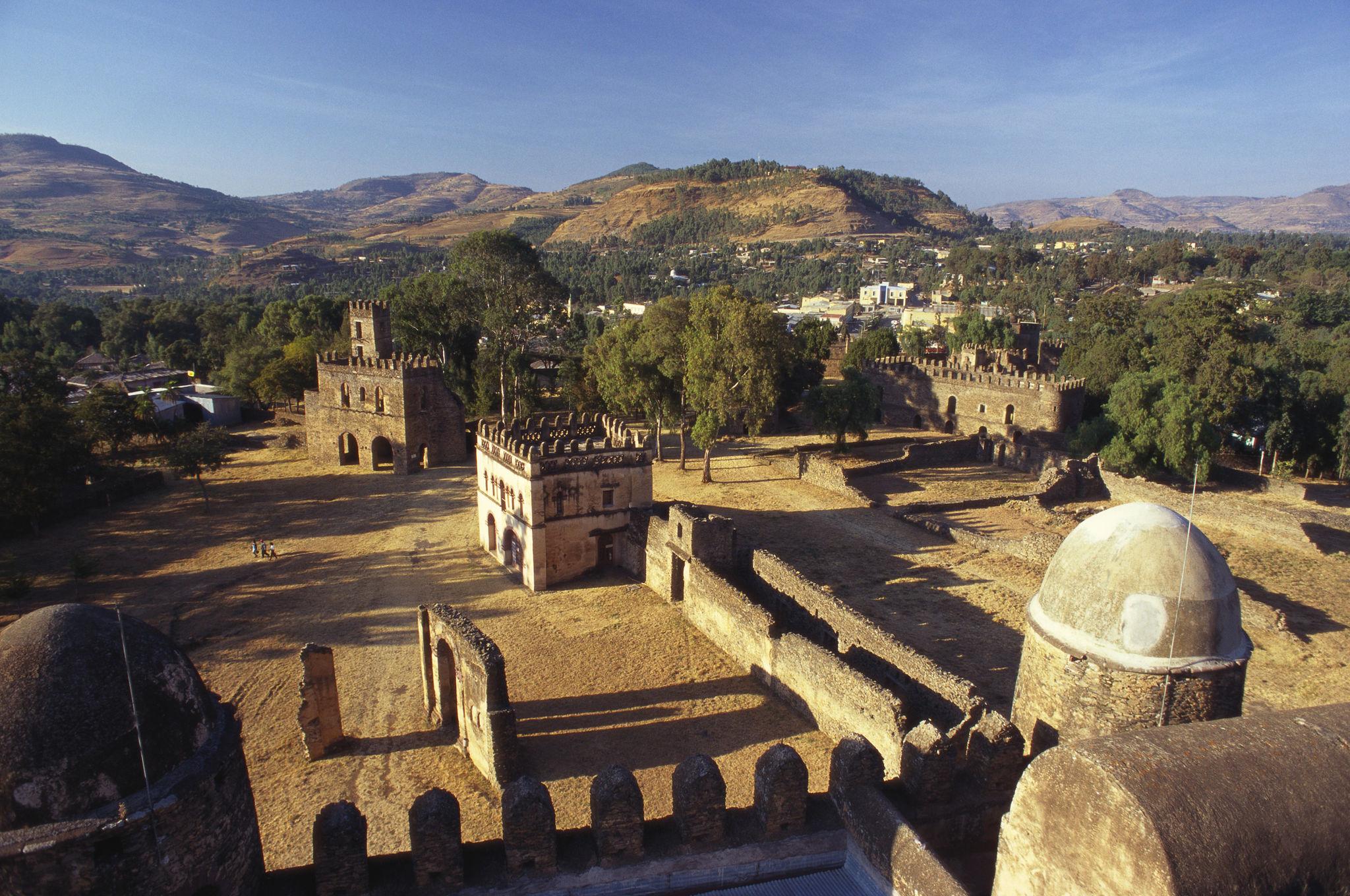
Gondar is one of Ethiopia's most historic cities and was the capital of the Ethiopian Empire from the 17th to the 19th century. Located in the Amhara Region, about 730 km north of Addis Ababa, Gondar is famous for its castles, churches, and rich imperial history. History The city was founded in 1636 by Emperor Fasilides, who established it as the permanent capital of Ethiopia. Before Gondar, Ethiopian emperors often moved with royal camps. Fasilides changed this tradition by building a permanent royal city, which became the political, cultural, and religious center of the empire for over 200 years. Fasil Ghebbi (Royal Enclosure) 6 The city's most famous attraction is the Fasil Ghebbi, a UNESCO World Heritage Site. Inside the royal enclosure are several castles and palaces built by successive emperors, including: Fasilides' Castle Iyasu's Palace Dawit's Hall Mentewab's Castle Royal libraries and banquet halls The architecture combines Ethiopian, Portuguese, Indian, and Middle Eastern influences, giving Gondar a unique appearance that has earned it the nickname "The Camelot of Africa." Debre Berhan Selassie Church 6 One of Ethiopia's most beautiful churches is Debre Berhan Selassie Church. It is famous for: Its ceiling covered with painted angel faces. Colorful biblical murals. Remarkably preserved 17th-century artwork. The church survived many historical conflicts and remains an active place of worship. Fasilides Bath Another famous landmark is Fasilides Bath. This large ceremonial pool is best known for hosting the annual Ethiopian Orthodox celebration of Timkat. During Timkat, the pool is filled with water and thousands of pilgrims gather for religious ceremonies. Culture and Traditions Gondar is known for: Traditional Ethiopian music and dance. Rich Orthodox Christian heritage. Historic manuscripts and religious schools. Traditional cuisine and coffee culture. The city remains an important center of Ethiopian culture and religion. Nearby Attractions Within a day's journey from Gondar are: Simien Mountains National Park Lake Tana Blue Nile Falls These destinations make Gondar a key stop on Ethiopia's historic northern tourism route. Why Gondar Is Important Gondar represents Ethiopia's imperial golden age. Its castles, churches, and royal compounds are unlike anything else in sub-Saharan Africa. The city preserves centuries of Ethiopian history and remains one of the country's most visited cultural destinations, standing alongside Aksum and Lalibela as one of Ethiopia's greatest historical treasures.

Omo Valley (Southern Tribes of Ethiopia)
The Omo Valley is one of Africa's most culturally diverse regions and one of Ethiopia's most famous tourist destinations. Located in southwestern Ethiopia along the Omo River, the valley is home to dozens of ethnic groups, many of whom maintain distinctive languages, traditions, clothing styles, and social customs. The lower Omo Valley is recognized as a UNESCO World Heritage Site because of both its cultural importance and its archaeological significance. Geography The Omo Valley stretches from the Ethiopian highlands southward toward Lake Turkana. The region includes: Savannah grasslands River valleys Semi-arid plains Forested areas Seasonal grazing lands The Omo River is the lifeline of the valley, supporting farming, fishing, and pastoral livelihoods. Major Ethnic Groups The Mursi 4 The Mursi are among the most internationally recognized peoples of the valley. Known for: Decorative lip plates worn by some women. Cattle-centered culture. Traditional ceremonies and body ornamentation. Distinctive language and customs. The Hamar 4 The Hamar are famous for: Elaborate hairstyles coated with butter and ochre. Colorful beadwork. The Bull Jumping Ceremony, an important rite of passage for young men. Cattle herding traditions. The Karo The Karo are renowned for: Intricate body painting. Decorative scarification. Artistic use of natural pigments. Settlements overlooking the Omo River. Although relatively small in population, the Karo are known for some of the most striking visual traditions in Ethiopia. Other Groups The Omo Valley is also home to: Dassanech Nyangatom Arbore Banna Tsemay Konso Each group has its own language, social structure, traditions, and cultural practices. Archaeological Importance 6 The Omo Valley is not only culturally important but also one of the world's most significant regions for studying human origins. Archaeologists have discovered: Early hominin fossils. Stone tools. Evidence of some of the earliest human ancestors. These discoveries have helped scientists better understand human evolution. Traditional Lifestyle Many communities continue to rely on: Pastoralism (raising cattle, goats, and sheep) Flood-retreat agriculture Fishing Local trade Cattle often play a central role in social status, marriage arrangements, and cultural ceremonies. Tourism Visitors are attracted by: Cultural experiences. Traditional ceremonies. Tribal markets. Photography opportunities. Scenic landscapes along the Omo River. When visiting, respectful engagement is important because these communities are living cultures rather than museum exhibits. Why the Omo Valley Is Unique The Omo Valley is often described as one of the last places in the world where a remarkable diversity of traditional cultures can be encountered within a relatively small geographic area. Its combination of cultural heritage, archaeological significance, and dramatic landscapes makes it one of Ethiopia's most extraordinary destinations. Together with Lalibela, Aksum, Gondar, the Simien Mountains National Park, and the Bale Mountains National Park, the Omo Valley is considered one of the cornerstone attractions of Ethiopian tourism.
Yeha – The Ancient Heart of Ethiopian Civilization
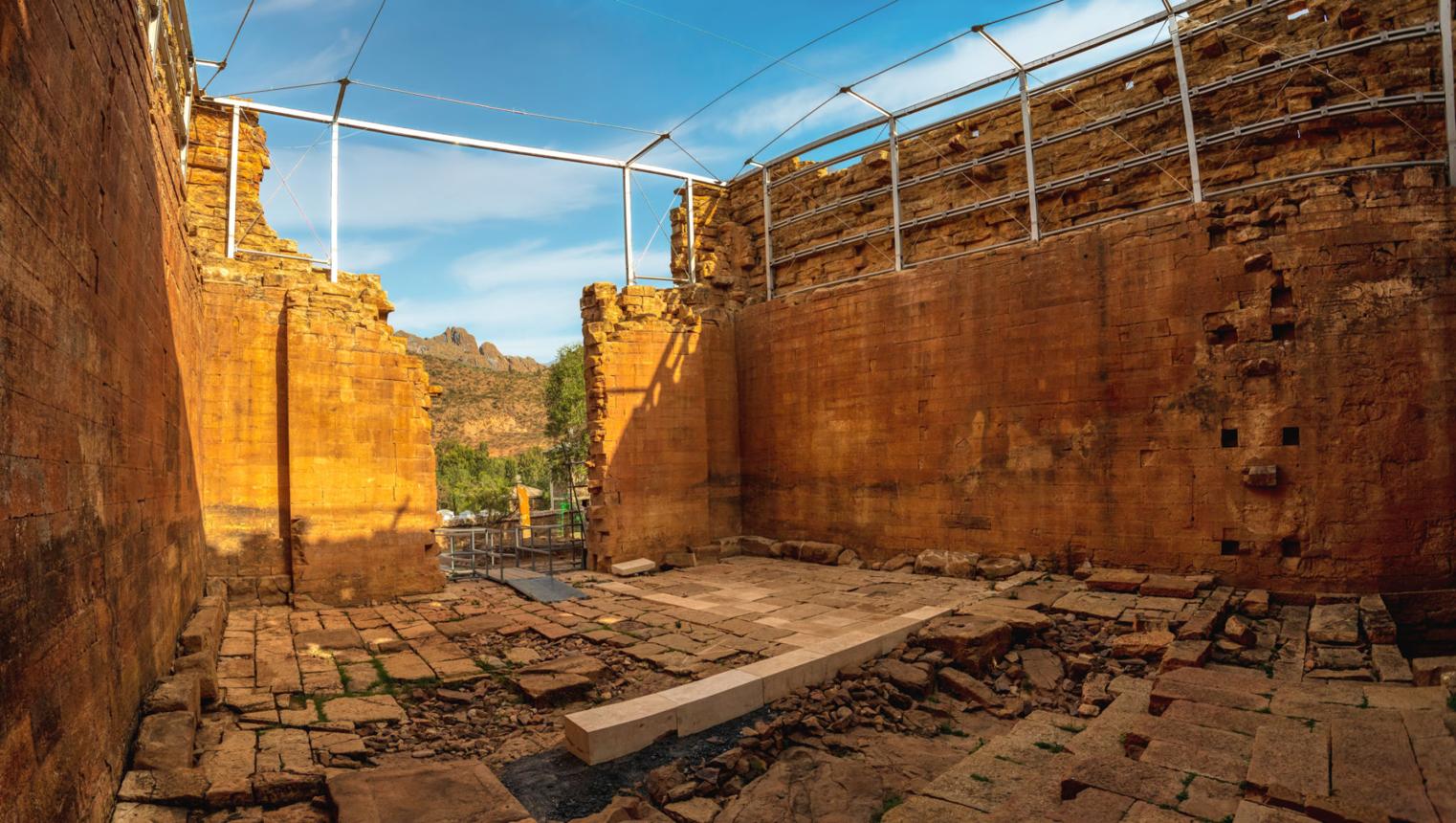
Yeha is one of the most important archaeological sites in Ethiopia and is often considered the oldest known center of civilization in the country. It is located in the Tigray Region, about 35 km northeast of Aksum. The site dates back nearly 3,000 years, making it older than the Aksumite Empire and one of the earliest urban centers in the Horn of Africa. The Great Temple of Yeha The most famous structure at Yeha is the Great Temple, built around the 7th century BCE. 6 Features include: Built from massive, precisely cut stone blocks. Approximately 14 meters high. Constructed without mortar. Among the best-preserved pre-Christian buildings in sub-Saharan Africa. Archaeologists believe it was dedicated to Almaqah, the chief deity of the ancient Sabaean kingdom of South Arabia. Connection to Ancient South Arabia Yeha shows strong links with the ancient Kingdom of Saba (Sheba), located in present-day Yemen. Evidence includes: South Arabian inscriptions. Similar architectural styles. Religious practices connected to Sabaean culture. These findings indicate active trade and cultural exchange across the Red Sea nearly 3,000 years ago. The Monastery of Abba Aftse Near the temple stands the historic Monastery of Abba Aftse. Tradition states that it was founded by Abba Aftse, one of the Nine Saints who helped spread Christianity in Ethiopia during the 5th–6th centuries CE. The monastery preserves: Ancient manuscripts. Religious artifacts. Historical crosses and church treasures. Archaeological Importance Excavations at Yeha have uncovered: Palaces. Residential buildings. Ancient tombs. Inscriptions written in South Arabian script. Pottery and trade goods. These discoveries suggest Yeha was a major political, economic, and religious center long before the rise of the Aksumite Kingdom. Yeha and the Queen of Sheba Many Ethiopians associate Yeha with traditions surrounding the legendary Queen of Sheba. While there is no definitive archaeological proof that the Queen of Sheba lived there, Yeha's age and South Arabian connections make it one of the sites frequently linked to those traditions. Why Yeha Matters Yeha is important because it: Represents Ethiopia's earliest known urban civilization. Demonstrates ancient connections between Africa and Arabia. Contains one of Africa's oldest standing stone structures. Bridges Ethiopia's pre-Christian and Christian history. Helps explain the origins of the later Aksumite civilization. Today, Yeha remains one of Ethiopia's most significant historical treasures, offering a rare glimpse into a civilization that flourished nearly a millennium before the height of the Kingdom of Aksum.